
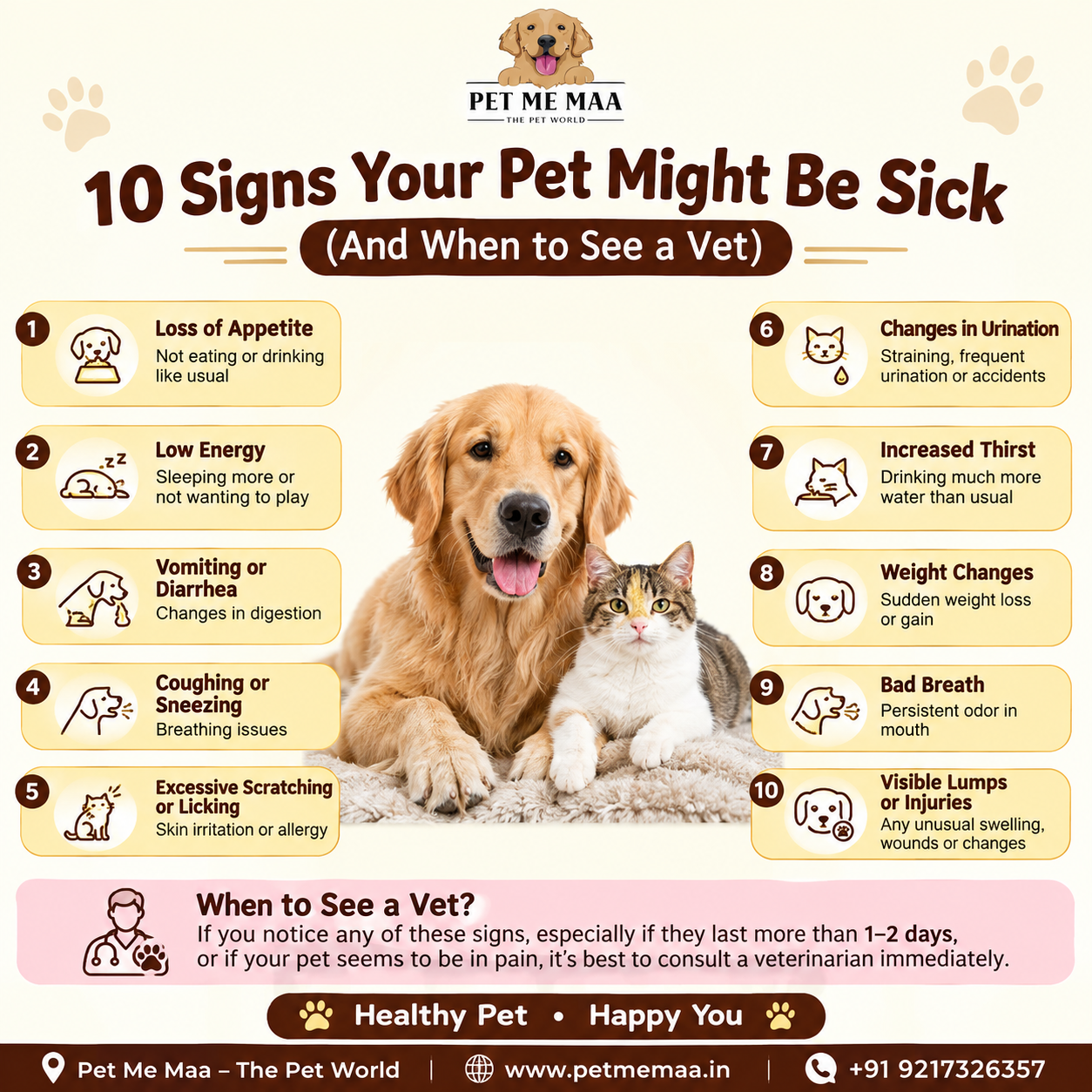
Pets are experts at hiding discomfort — it's an instinct left over from the wild, where showing weakness could mean danger. That's exactly why pet parents need to know what subtle signs to watch for. Catching illness early can make treatment simpler, faster, and less stressful for everyone.
1. Changes in Appetite
A sudden loss of interest in food, or eating noticeably more than usual, can signal anything from dental pain to digestive issues or metabolic conditions.
2. Unusual Lethargy
Some rest is normal, but a pet that suddenly seems uninterested in play, walks, or interaction for more than a day should be checked.
3. Vomiting or Diarrhea
Occasional stomach upset happens, but repeated vomiting, diarrhea lasting more than 24 hours, or blood in either warrants immediate attention.
4. Excessive Thirst or Urination
This can point to conditions like diabetes or kidney issues, especially in older pets, and shouldn't be dismissed as "just the weather."
5. Changes in Coat or Skin
Dull fur, bald patches, excessive scratching, or flaky skin can indicate allergies, parasites, or nutritional gaps.
6. Bad Breath or Mouth Issues
Persistent bad breath, drooling, or difficulty chewing often points to dental disease, which is far more common — and more serious — than most owners realize.
7. Difficulty Breathing
Labored breathing, persistent coughing, or wheezing should never be ignored and often needs urgent care.
8. Limping or Stiffness
Occasional stiffness after a long nap is normal, but consistent limping, reluctance to jump, or difficulty using stairs can point to joint or bone problems.
9. Behavioral Changes
Increased aggression, unusual hiding, excessive vocalization, or withdrawal from family members can be early signs of pain or discomfort, not just "a mood."
10. Swelling or Lumps
Any new lump, swelling, or growth — even if it seems small — should be checked by a vet rather than monitored indefinitely at home.
When to See a Vet Immediately
If your pet shows difficulty breathing, repeated vomiting, visible pain, a swollen abdomen, or collapses, treat it as an emergency and seek care right away rather than waiting to see if it improves.